

If you want online poker rooms australia legal options with a polished interface and clear Australian terms, the practical question is how quickly you can find a table, understand the rules and manage AUD balances. The legal position matters too: Interactive Gambling Act requirements and state or territory rules apply, and an offshore cardroom is not made locally licensed merely by accepting Australian players. For Adelaide punters, usability deserves as much attention as the size of the welcome offer.
Finding the right Australian poker interface
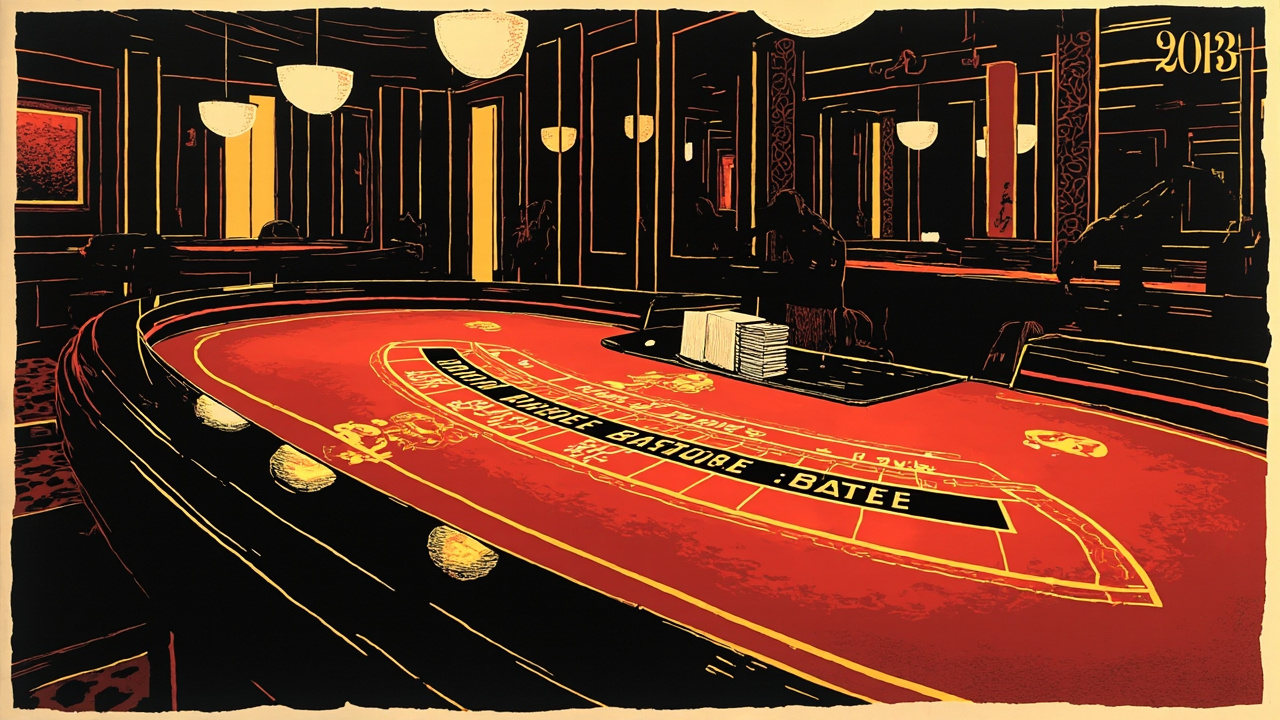
A strong cardroom lobby does more than display game thumbnails. It should separate cash tables, tournaments and casual formats, then preserve your table position when you return from lobby to table. In my view, clean visual hierarchy matters more than animated graphics: cash-game filters need visible stakes, seat availability, average pot size and table speed.
Search should handle Australian shorthand without becoming cryptic. Searching for “6-max”, “heads up” or a particular stakes level should return relevant tables rather than promotional pages. Live chat and support should also be easy to locate; if an operator’s FAQ cannot explain identity checks or cash-out timing in plain English, that is a warning.
Poker’s more complicated than picking a jackpot title, so I’d treat cosmetic distractions cautiously. Players comparing broader entertainment catalogues may see a mega moolah jackpot bonus elsewhere, but a poker room still needs precise table information and dependable cashier functions. No worries, a bright interface helps – provided the numbers are accurate.
Australian language, currency and banking clarity
The interface should display AUD consistently, including stakes, rake estimates, buy-ins and pending withdrawals. A mixed-currency lobby with US dollar tables tucked between Australian dollar options creates unnecessary conversion work. Filters should let you select $1, $2 and $5 tables, while the cashier should clearly state whether deposits are converted at a displayed rate.
Localisation should go beyond a dollar sign. Poker terminology is widely understood, yet fee explanations, tournament clocks and responsible-play messages should use familiar Australian wording. Adelaide players should not have to translate a generic overseas banking page before depositing.
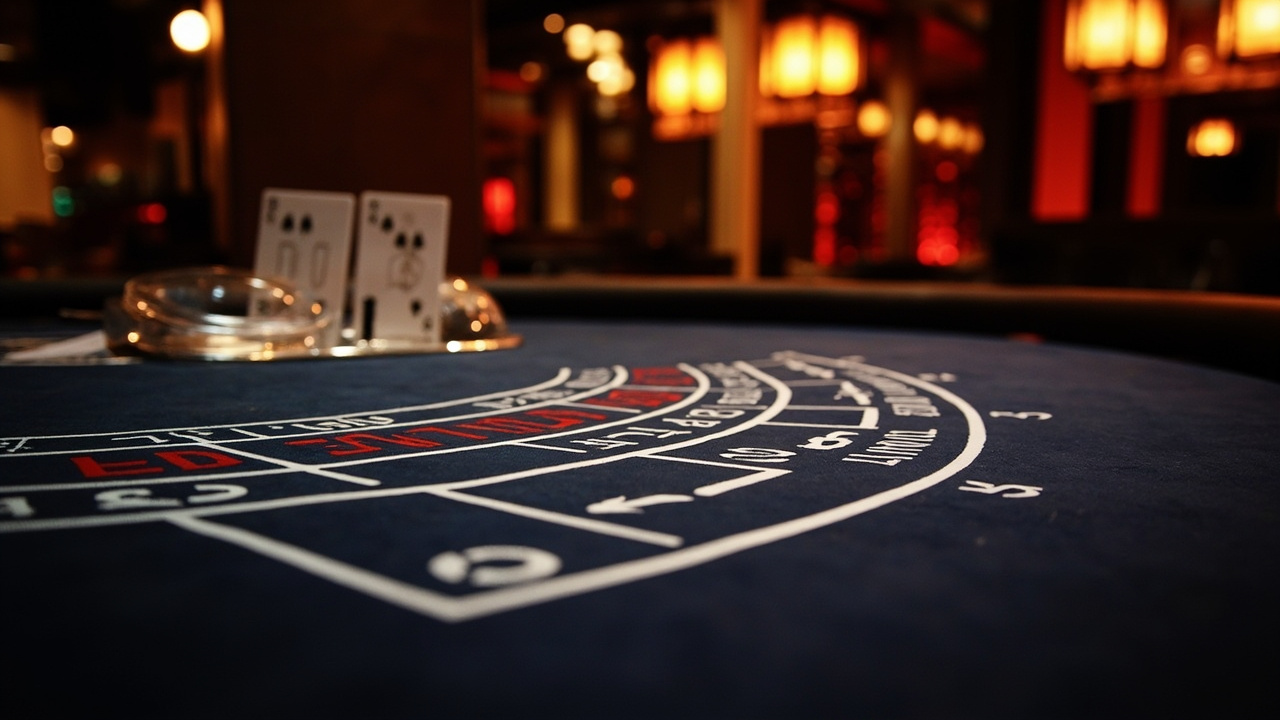
Payment presentation needs particular care. The cashier should name supported methods, minimum and maximum deposit limits, withdrawal processing windows and any identity-check requirements before funds are requested. Tax records add another layer: receipts should separate deposited funds from net winnings where possible, while the account records your results. It’s no good if your bank statement looks clear but your gaming ledger does not.
This is where operator-side discipline shows. The best-looking room loses points if a cashier asks you to interpret its own terms or reverses a payment without a clear explanation.
Navigation, mobile play and table controls
A usable mobile poker room should keep the same core filters as desktop without squeezing three action buttons beside the table. In the Australian market, I favour layouts that give the hand history, pot size and raise controls adequate space. Portrait mode works for casual sessions, while landscape handles multiway decisions better on a phone.
Navigation between lobby, active tables and settings should be predictable. A visible “join now” control matters, but so does a clear exit from a table once the hand finishes. Sessions should not disappear because every tap triggers a loading overlay. Tournament interfaces need countdown clocks, remaining players and blind-level information presented together.
Support is part of navigation, not an afterthought. Players should be able to open a help panel, request a callback or upload verification documents without restarting the entire registration journey. Filters should also be remembered, but never at the expense of confirming the stakes before joining.
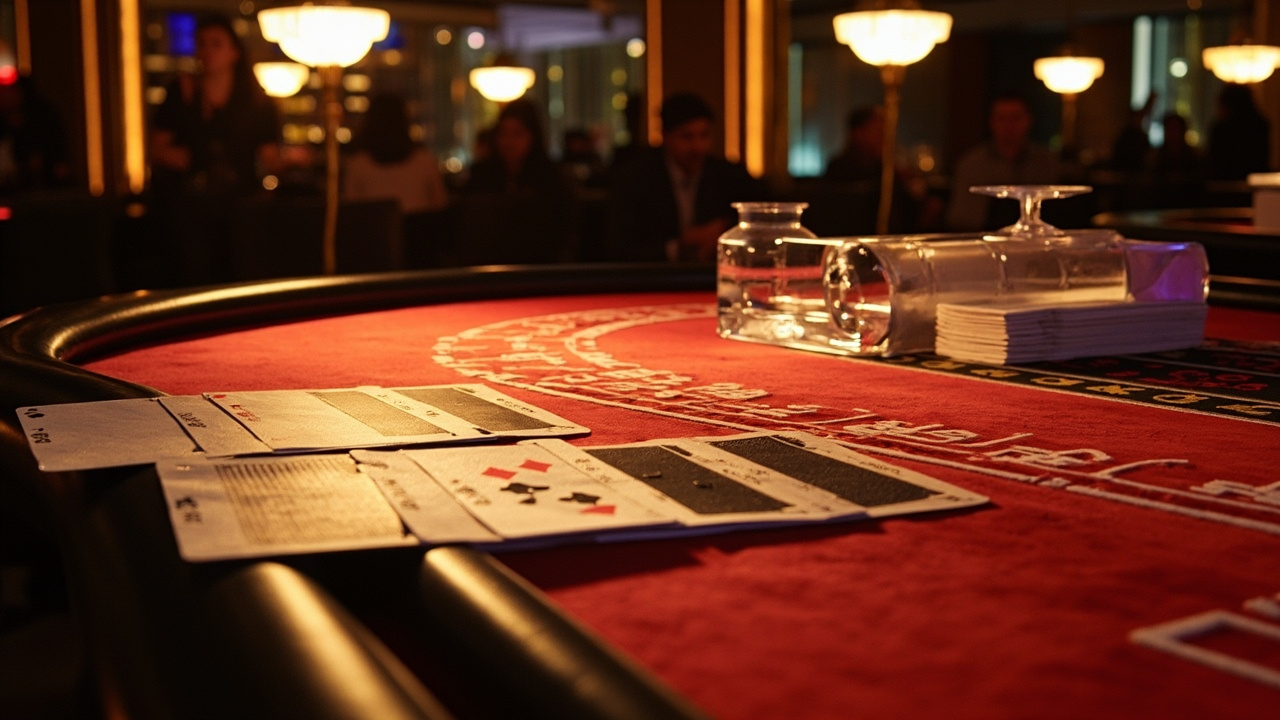
I’d test the room on mobile data as well as home Wi-Fi. Real users around Adelaide will encounter patchy reception on trains or in suburban shops, so a room that constantly disconnects is simply not ready for everyday play.
Licence checks and honest limitations
For online poker rooms australia legal assessment, verify the operator’s stated permissions and the jurisdiction responsible for oversight. A site cannot advertise an Australian licence it does not hold, and an offshore operator accepting local deposits is not thereby locally authorised. Australian rules generally prohibit click-to-click card gaming, while approved forms of online gambling are tightly defined. Check the regulator’s register rather than relying on a promotional badge.
Some players ask is poker online for money legit because money and legal treatment sit together. In Australia, the real-money classification of card play creates meaningful limits that a polished lobby cannot solve. Never treat a convincing interface as regulatory evidence, and never attempt to sidestep age or location checks.
A fair go means the terms are explicit: bonus conditions, rake treatment, cash-out eligibility and dispute processes should be available before registration. Support should answer specific account questions, while withdrawal requests should follow published timelines and verification procedures. I’d avoid any room promising guaranteed returns or “risk-free” profit.
The practical judgement is straightforward. Prioritise clear AUD displays, accurate filters, mobile table controls and transparent compliance information over decorative branding. A good interface makes the rules easier to understand; only a properly authorised structure makes legal play possible.